Published: November 7, 2025 | Reading Time: 10 minutes
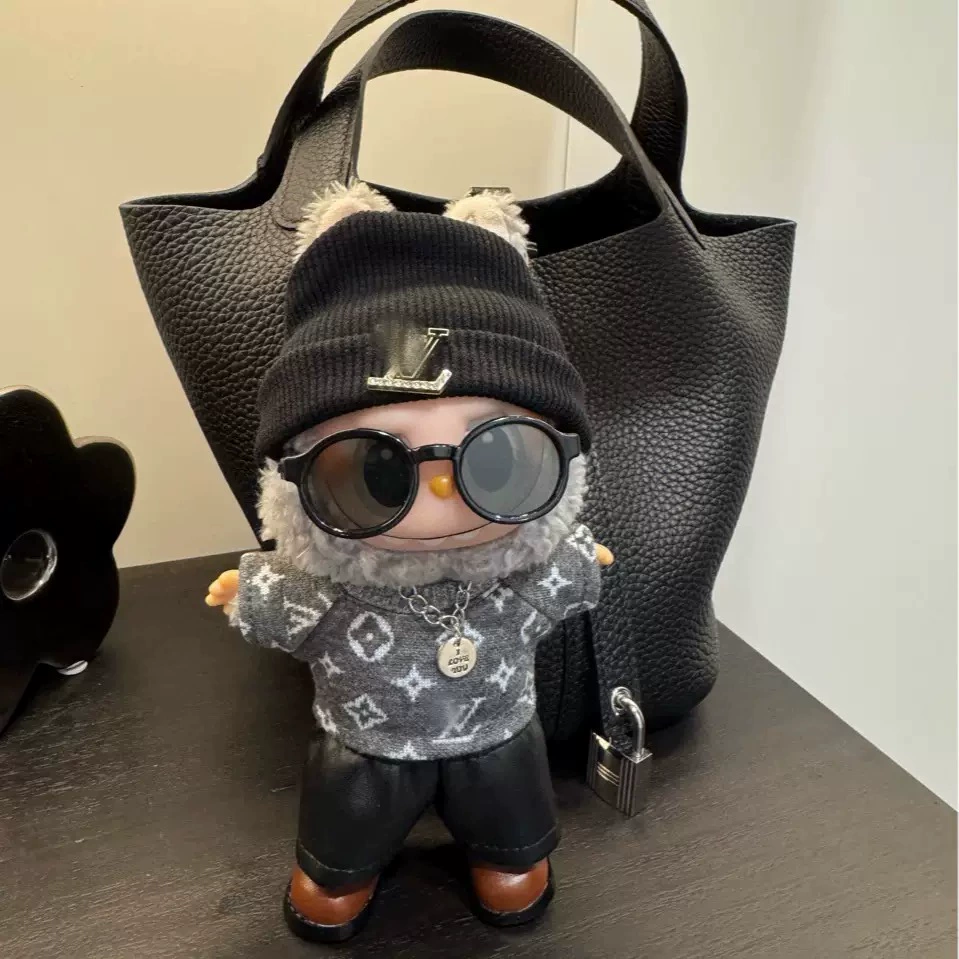
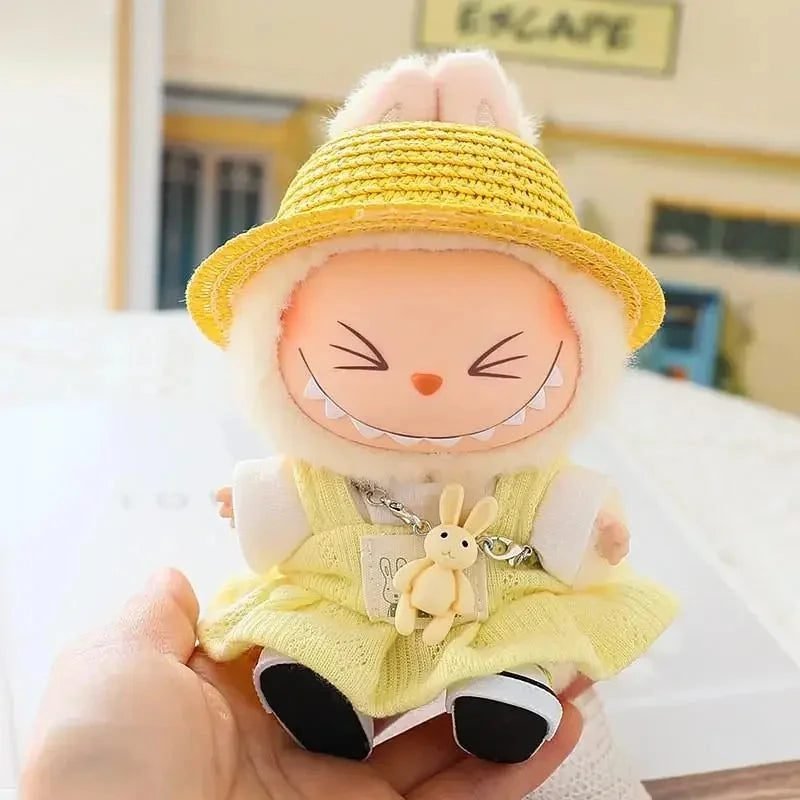
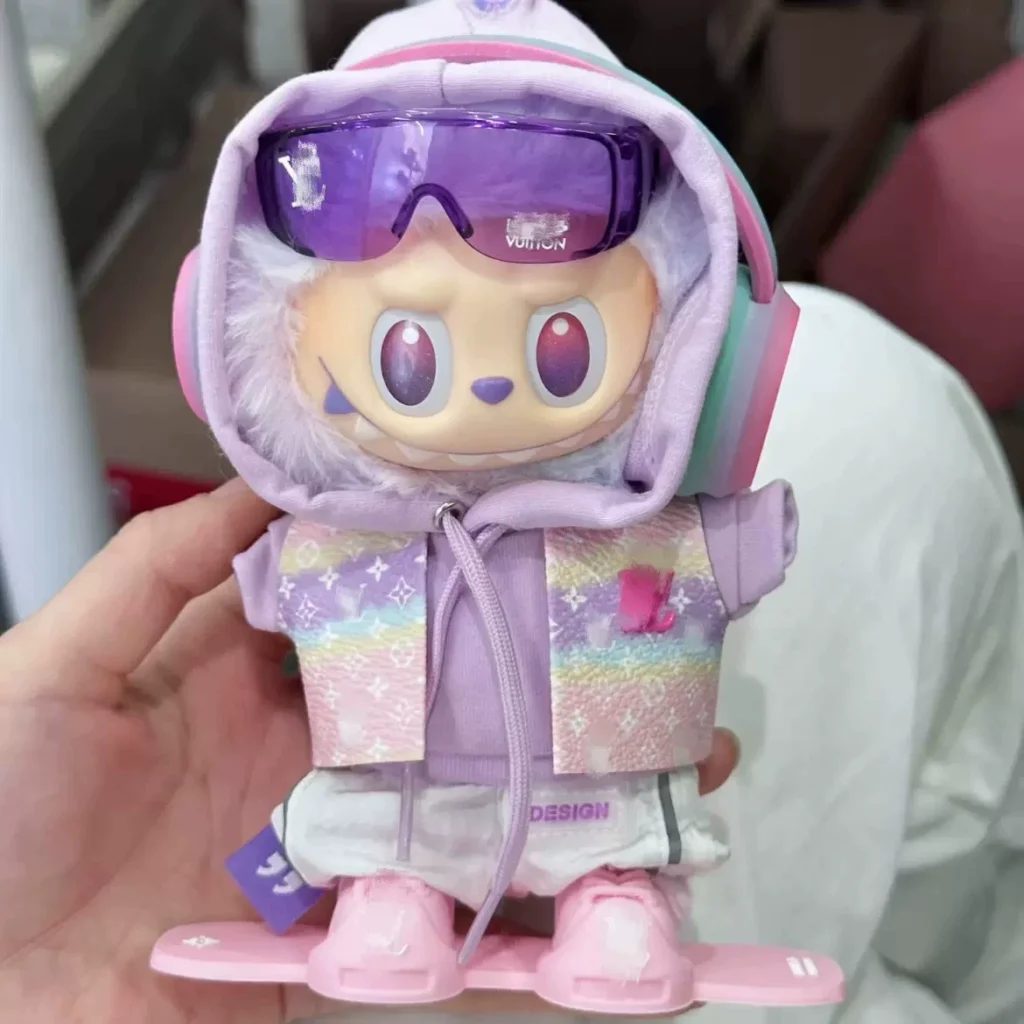
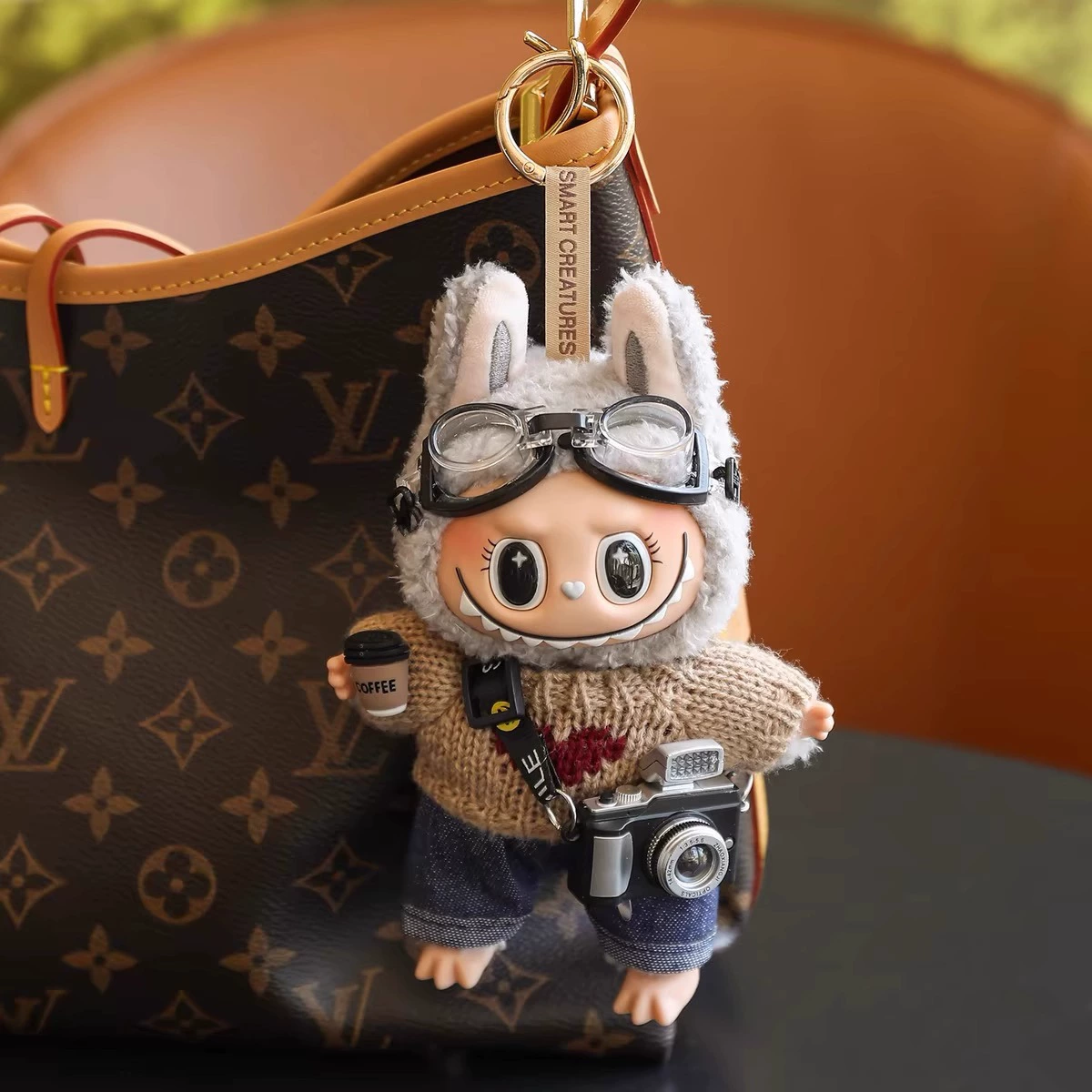
In an era of unprecedented social isolation and digital overwhelm, Generation Z has found an unexpected source of comfort and emotional stability in the simple act of styling Labubu figures with carefully chosen outfits. What began as a collectible hobby has evolved into something far more profound: a therapeutic practice that addresses the unique mental health challenges facing young adults today.
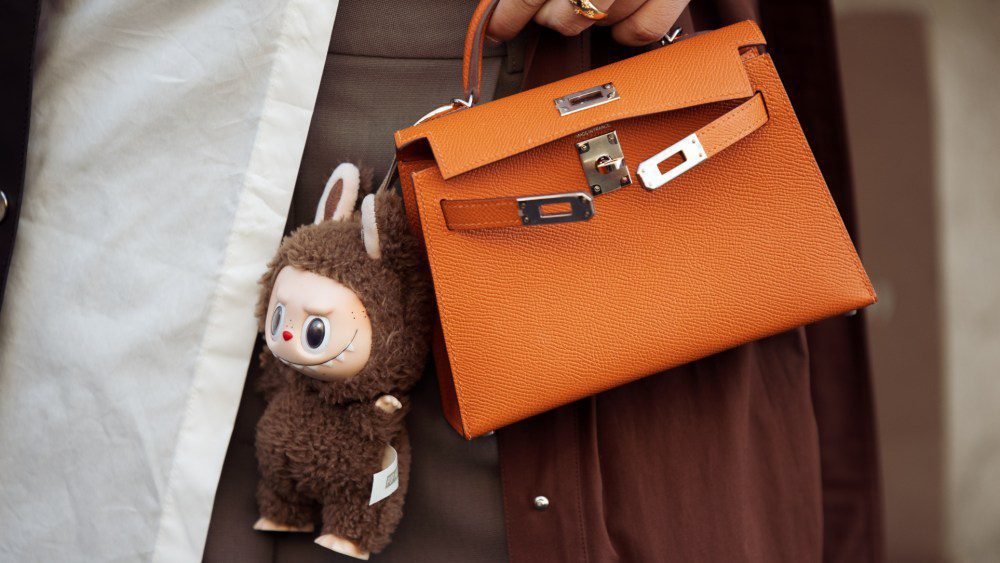
The phenomenon extends beyond mere collecting or fashion interest. For many Gen Z individuals, the ritual of selecting, styling, and caring for Labubu outfits provides a sense of control, creativity, and emotional regulation that traditional coping mechanisms have failed to deliver. This unexpected therapeutic relationship reveals important insights about how young people are adapting to modern life’s unique stressors.
The Loneliness Epidemic Among Gen Z
Statistical Reality
Recent studies indicate that 73% of Gen Z individuals report feeling lonely on a regular basis, with social media paradoxically contributing to feelings of isolation despite increased connectivity. Traditional support systems have been disrupted by economic uncertainty, climate anxiety, and the lingering effects of pandemic-era social distancing.
This generation faces unique challenges that previous generations didn’t encounter: constant digital comparison, economic instability despite high education levels, and environmental concerns that feel insurmountable. Traditional therapy and support systems, while valuable, often feel inaccessible or insufficient for addressing these multifaceted challenges.
The Search for Alternative Comfort
In response to these challenges, Gen Z has pioneered new forms of self-care and emotional support that previous generations might not immediately understand. From plant parenting to elaborate skincare routines, young adults are finding comfort in nurturing activities that provide immediate, tangible results.
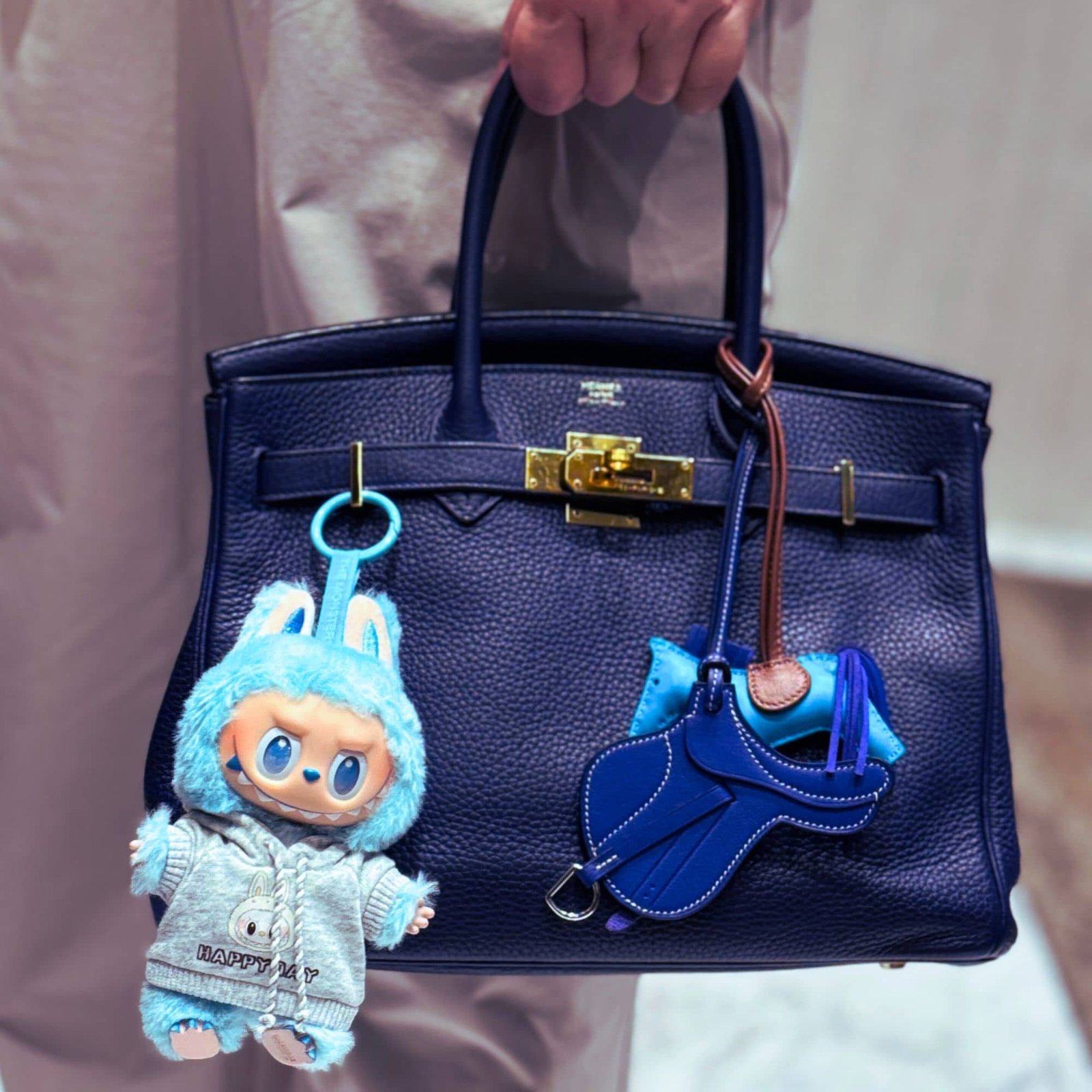
Labubu styling fits perfectly into this pattern, offering a nurturing activity that combines creativity, control, and the satisfaction of caring for something beautiful and small.
The Psychology of Miniature Care
Control in Chaos
Styling Labubu outfits provides a sense of control that many Gen Z individuals feel is missing from other areas of their lives. Unlike career prospects, housing costs, or global events, a Labubu’s wardrobe is completely within the stylist’s control.
This sense of agency, however small, can have profound psychological benefits. The ability to make decisions about colors, textures, and styles without external judgment or consequences provides a safe space for creative expression and decision-making practice.
Mindfulness Through Miniature Fashion
The detailed nature of Labubu styling naturally encourages mindfulness. Selecting tiny accessories, coordinating colors, and arranging poses requires present-moment attention that can interrupt anxious thought patterns and provide mental respite.
Many practitioners report that styling sessions serve as informal meditation, providing the same grounding benefits as traditional mindfulness practices but in a more accessible and engaging format.
Community and Connection
Digital Tribes
The Labubu styling community has created genuine connections among individuals who might otherwise struggle with social interaction. Online communities provide spaces for sharing creations, offering styling advice, and celebrating each other’s creativity without the pressure of face-to-face interaction.
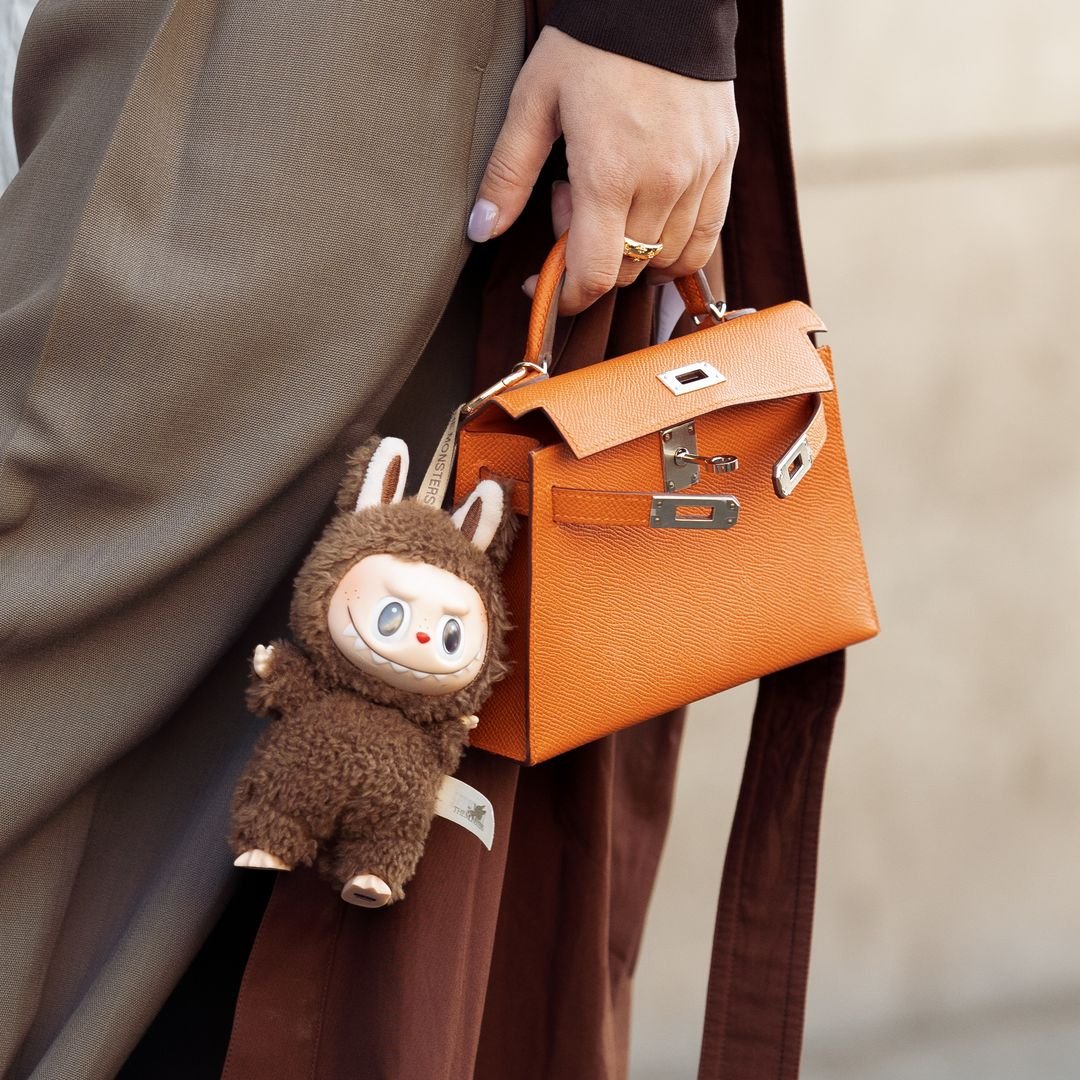
These digital relationships often develop into meaningful friendships, with community members supporting each other through difficult times and celebrating personal achievements beyond Labubu collecting.
Intergenerational Bonding
Surprisingly, Labubu styling has also created opportunities for intergenerational connection. Parents and grandparents who initially dismissed the hobby as frivolous often become interested when they see the positive effects on their Gen Z family members.
Shared styling sessions have become bonding activities that bridge generational gaps, providing common ground for families struggling to connect across different life experiences and perspectives.
Therapeutic Benefits
Emotional Regulation
The process of selecting outfits based on mood or desired emotional state helps practitioners develop emotional awareness and regulation skills. Choosing calming colors during stressful periods or bright, energetic outfits when feeling low provides a tangible way to influence mood and mindset.
This practice mirrors established art therapy techniques, allowing individuals to externalize and process emotions through creative expression in a non-threatening format.
Routine and Structure
For Gen Z individuals struggling with depression or anxiety, maintaining routines can be challenging. Labubu styling provides a flexible routine that can be adapted to energy levels and circumstances while still providing structure and purpose.
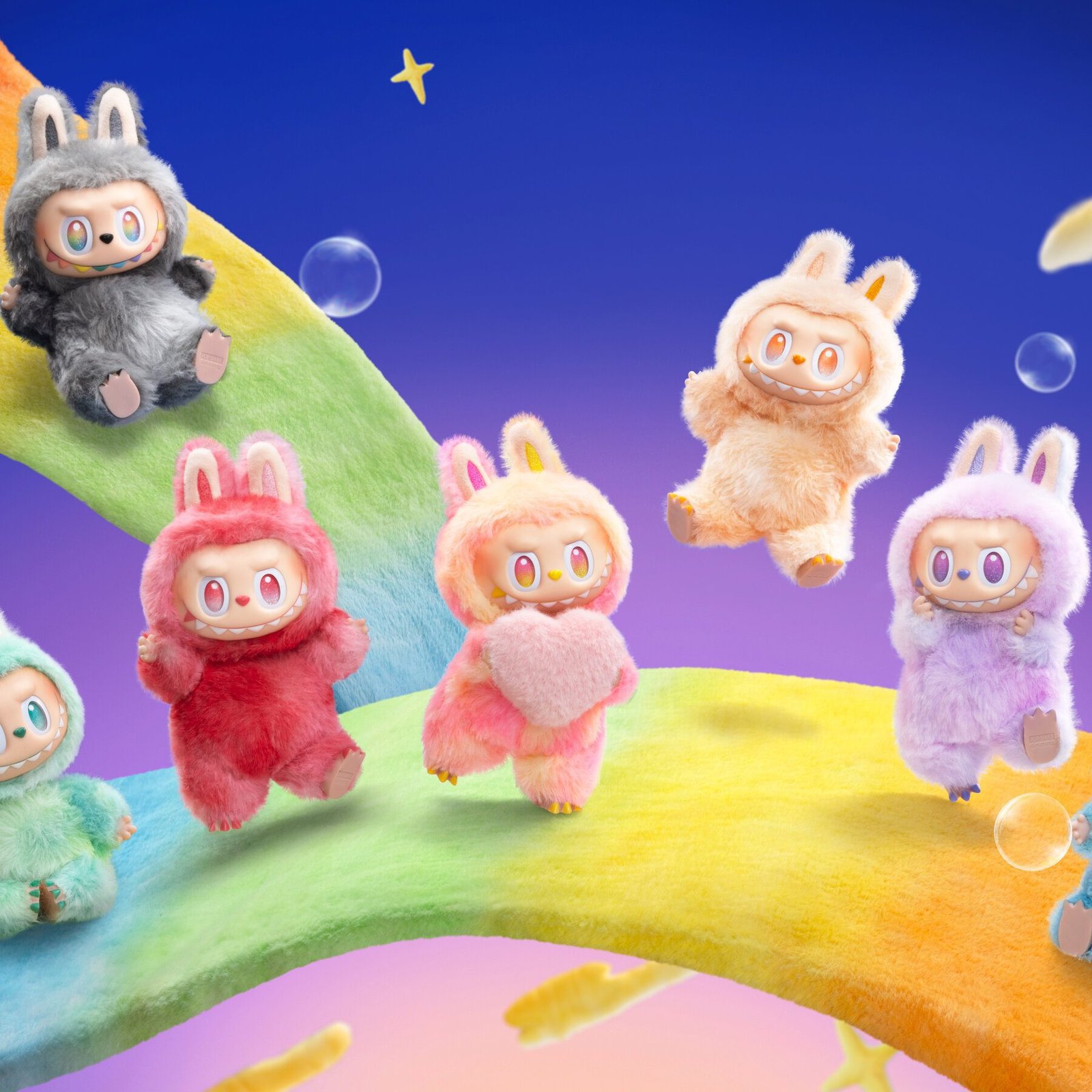
The routine of checking on figures, changing outfits, and documenting styles creates anchoring points in otherwise chaotic schedules, providing stability without rigid demands.
Creative Expression and Identity
Safe Experimentation
Labubu styling allows for risk-free experimentation with fashion, color, and style concepts that might feel too bold or expensive to try in personal wardrobes. This experimentation can build confidence and help individuals discover personal aesthetic preferences.
For Gen Z individuals still developing their sense of identity, this safe space for creative exploration can be invaluable for self-discovery and confidence building.
Artistic Development
Many practitioners develop genuine artistic skills through Labubu styling, learning about color theory, composition, and photography. These skills often transfer to other creative pursuits, providing pathways for artistic development that might not have been discovered otherwise.
Economic Accessibility
Affordable Luxury
Unlike many hobbies that require significant financial investment, Labubu styling can be practiced at various budget levels. While premium outfits exist, creative practitioners often make their own clothing or find affordable alternatives that provide the same therapeutic benefits.
This accessibility is crucial for Gen Z individuals facing economic uncertainty, providing a luxury experience and creative outlet that doesn’t require financial stress.
Value Retention
Unlike many forms of retail therapy that provide temporary satisfaction, Labubu collections often retain or increase in value, making the investment feel more justified and sustainable.
Professional Recognition
Therapeutic Community Interest
Mental health professionals are beginning to recognize the therapeutic potential of miniature styling and similar hobbies. Some therapists now incorporate discussion of these activities into treatment plans, recognizing their value for emotional regulation and creative expression.
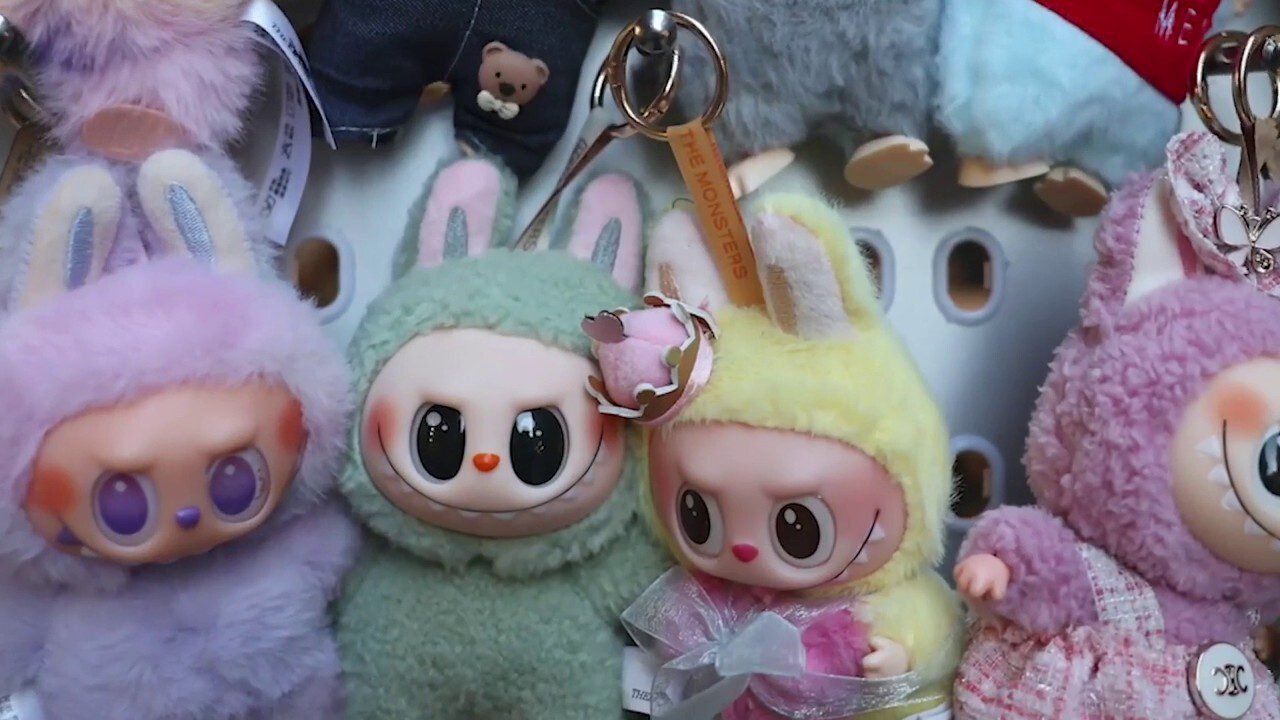
This professional recognition validates what practitioners have long known: that caring for and styling Labubu figures provides genuine mental health benefits that complement traditional therapeutic approaches.
Challenges and Considerations
Avoiding Unhealthy Patterns
While Labubu styling can be therapeutic, it’s important to maintain awareness of potentially unhealthy patterns such as compulsive purchasing or using collecting to avoid addressing underlying issues.
The key is maintaining balance and ensuring that the hobby enhances rather than replaces other forms of self-care and social connection.
Financial Boundaries
Setting and maintaining financial boundaries is crucial for preventing the hobby from becoming a source of stress rather than relief. Many successful practitioners establish monthly budgets and stick to them regardless of new releases or sales.
Future Implications
Evolving Mental Health Support
The success of Labubu styling as an emotional support system suggests that Gen Z is pioneering new approaches to mental health that integrate creativity, community, and self-care in innovative ways.
These approaches may influence how mental health support is conceptualized and delivered in the future, emphasizing accessible, creative, and community-based interventions.
Cultural Shift
The mainstream acceptance of Labubu styling as a legitimate hobby and therapeutic practice represents a broader cultural shift toward recognizing diverse forms of self-care and emotional support.
Conclusion: Redefining Emotional Support
The emergence of Labubu styling as an emotional support system for Gen Z reveals important truths about how young people are adapting to modern life’s unique challenges. By finding comfort, creativity, and community through miniature fashion, this generation is pioneering new approaches to mental health and self-care that deserve recognition and respect.
Rather than dismissing these practices as frivolous or immature, we should recognize them as innovative responses to genuine psychological needs. The therapeutic benefits of Labubu styling—from emotional regulation to creative expression to community connection—address real gaps in traditional support systems.
As we continue to grapple with rising rates of anxiety, depression, and loneliness among young adults, the success of Labubu styling as an emotional support system offers valuable insights into what effective, accessible mental health support might look like in the future.
For Gen Z individuals finding comfort and community through Labubu styling, the message is clear: your coping mechanisms are valid, your creativity is valuable, and your emotional needs deserve to be met in whatever healthy ways work best for you.
If Labubu styling has provided emotional support in your life, you’re not alone. Join our community to connect with others who understand the therapeutic power of miniature fashion and creative expression.