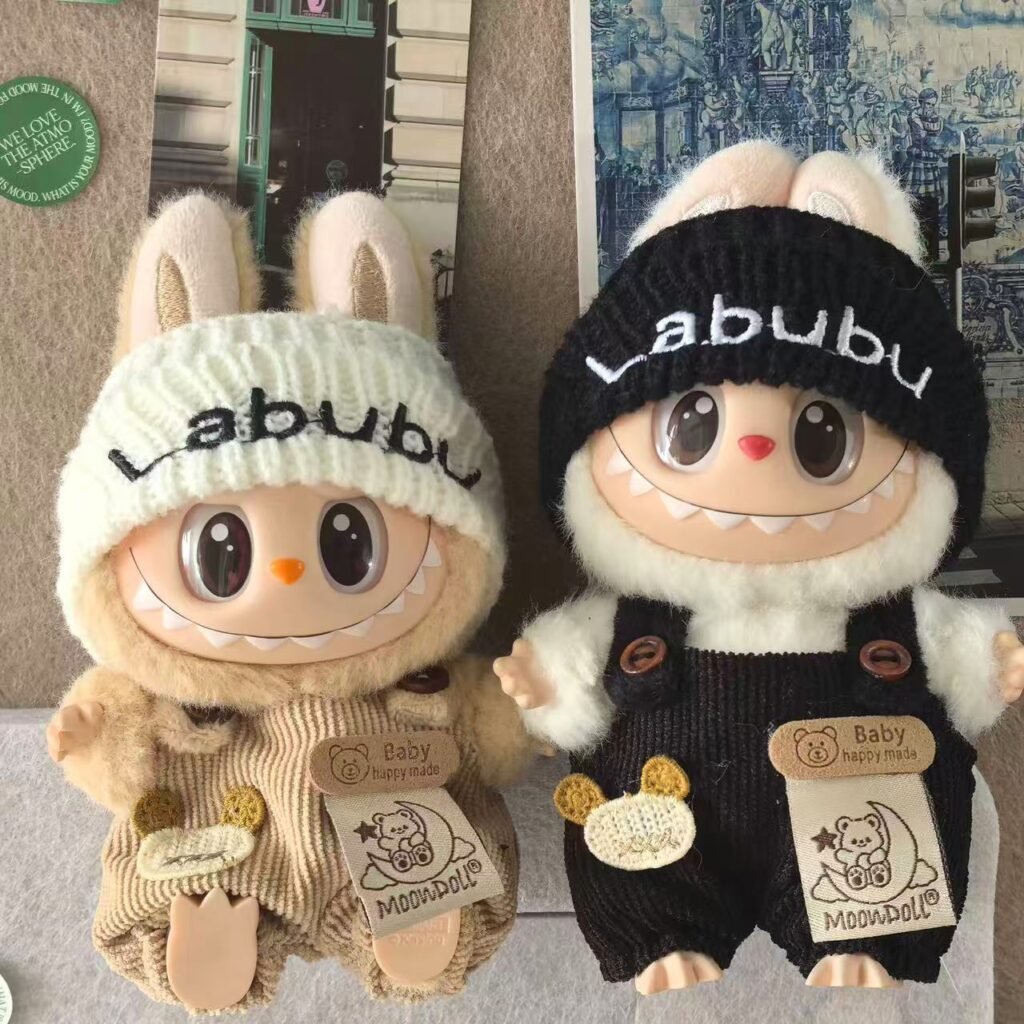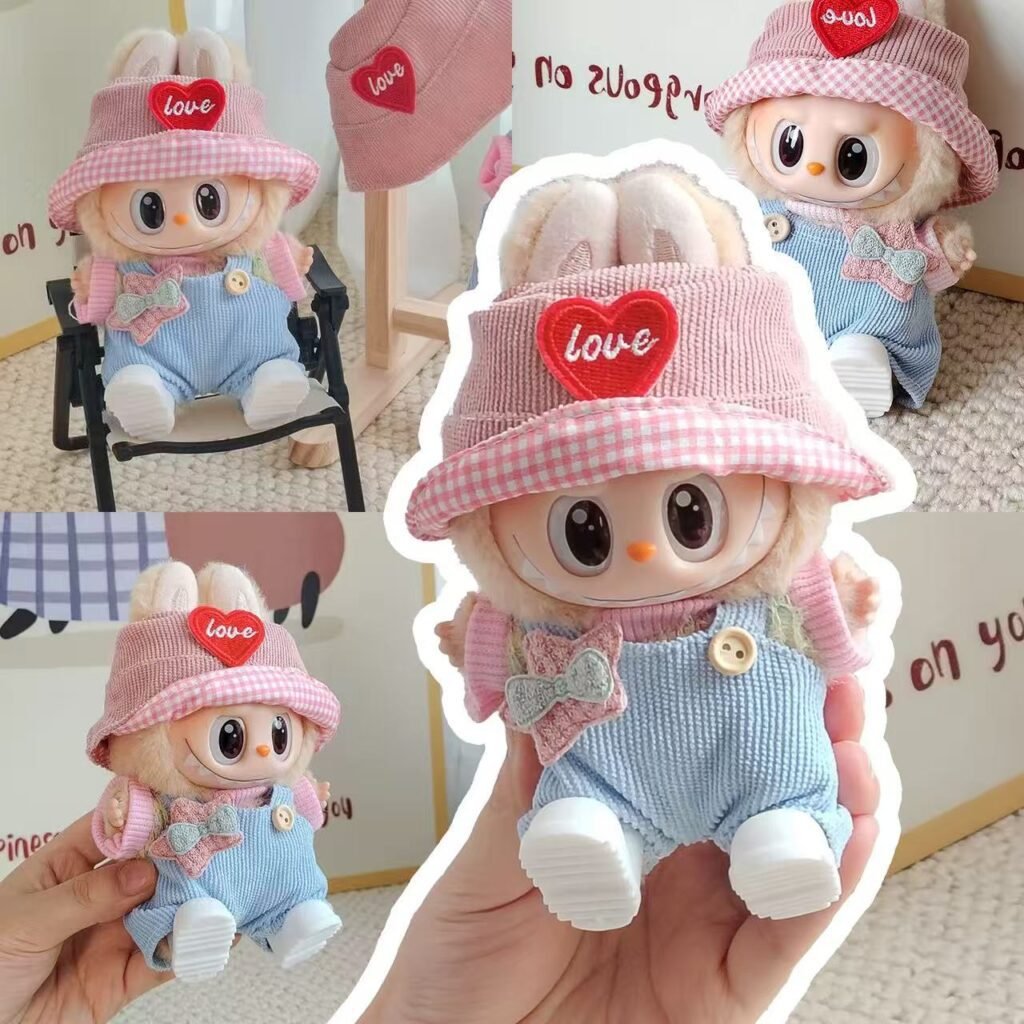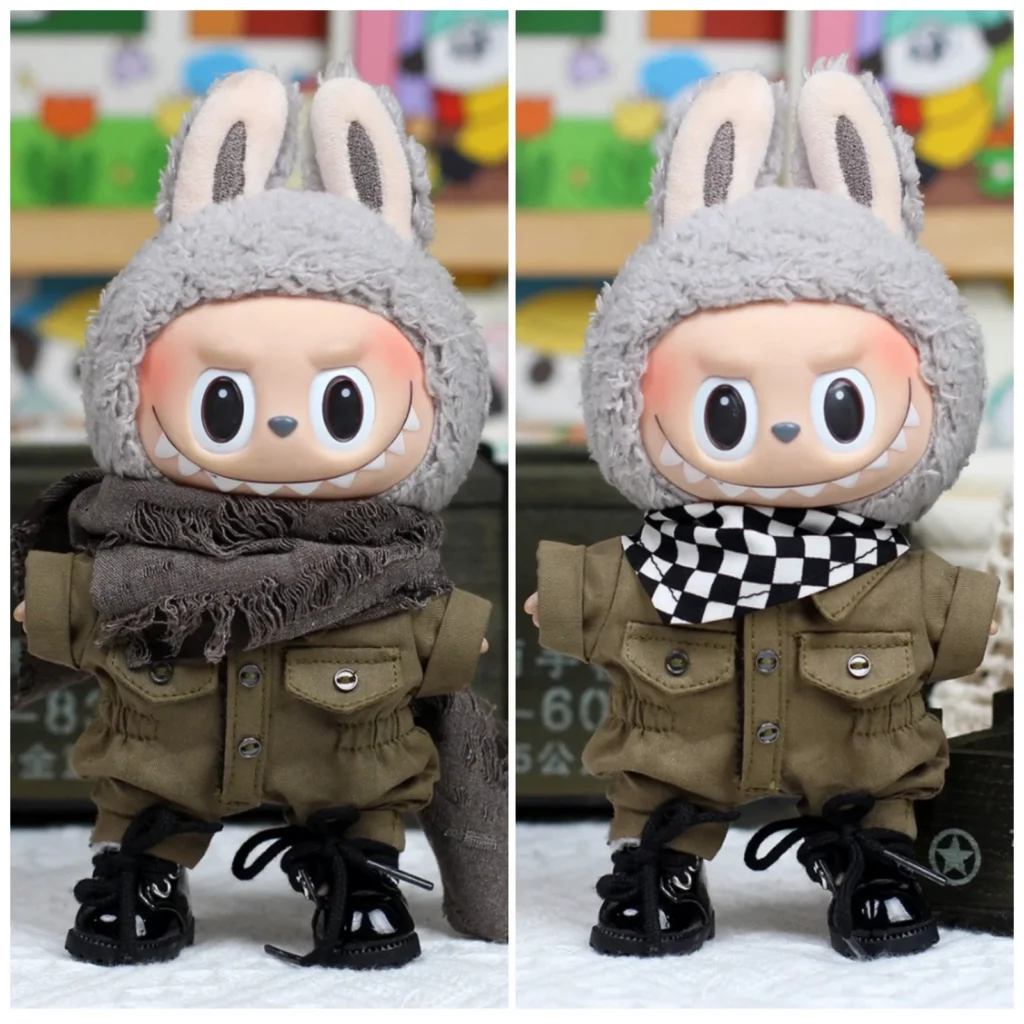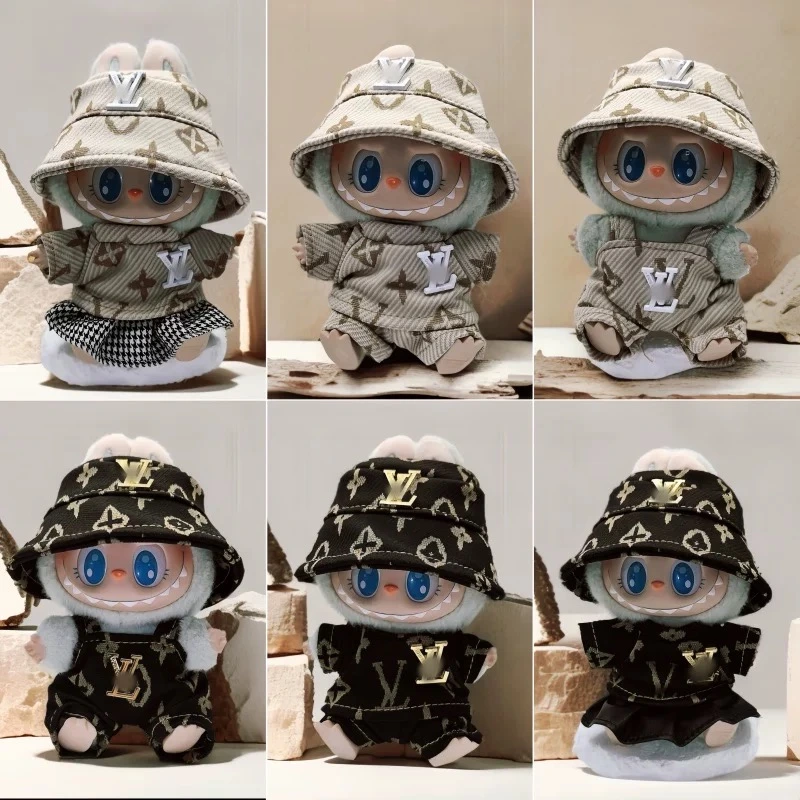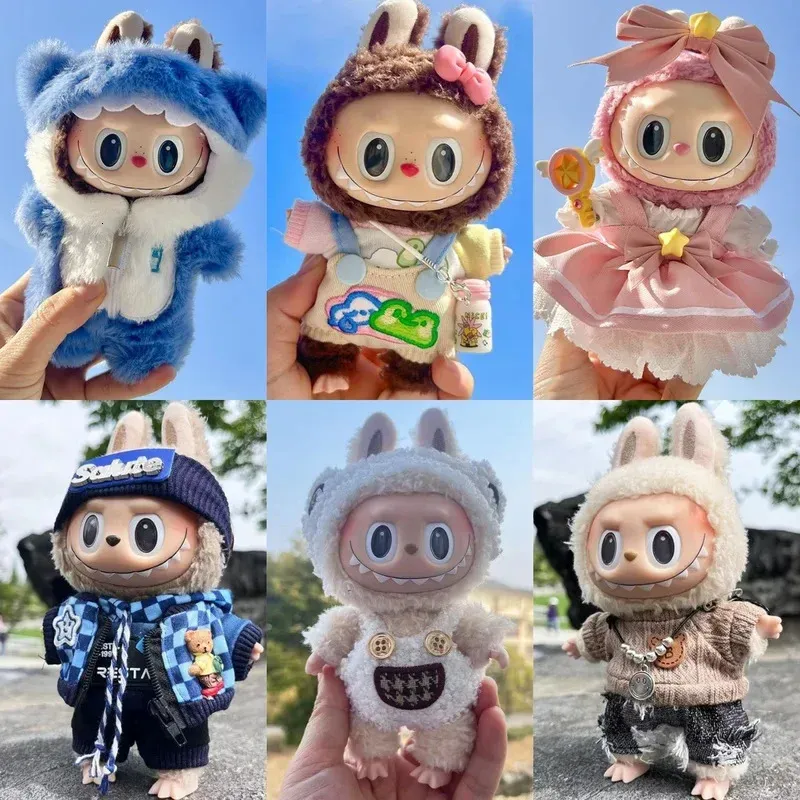

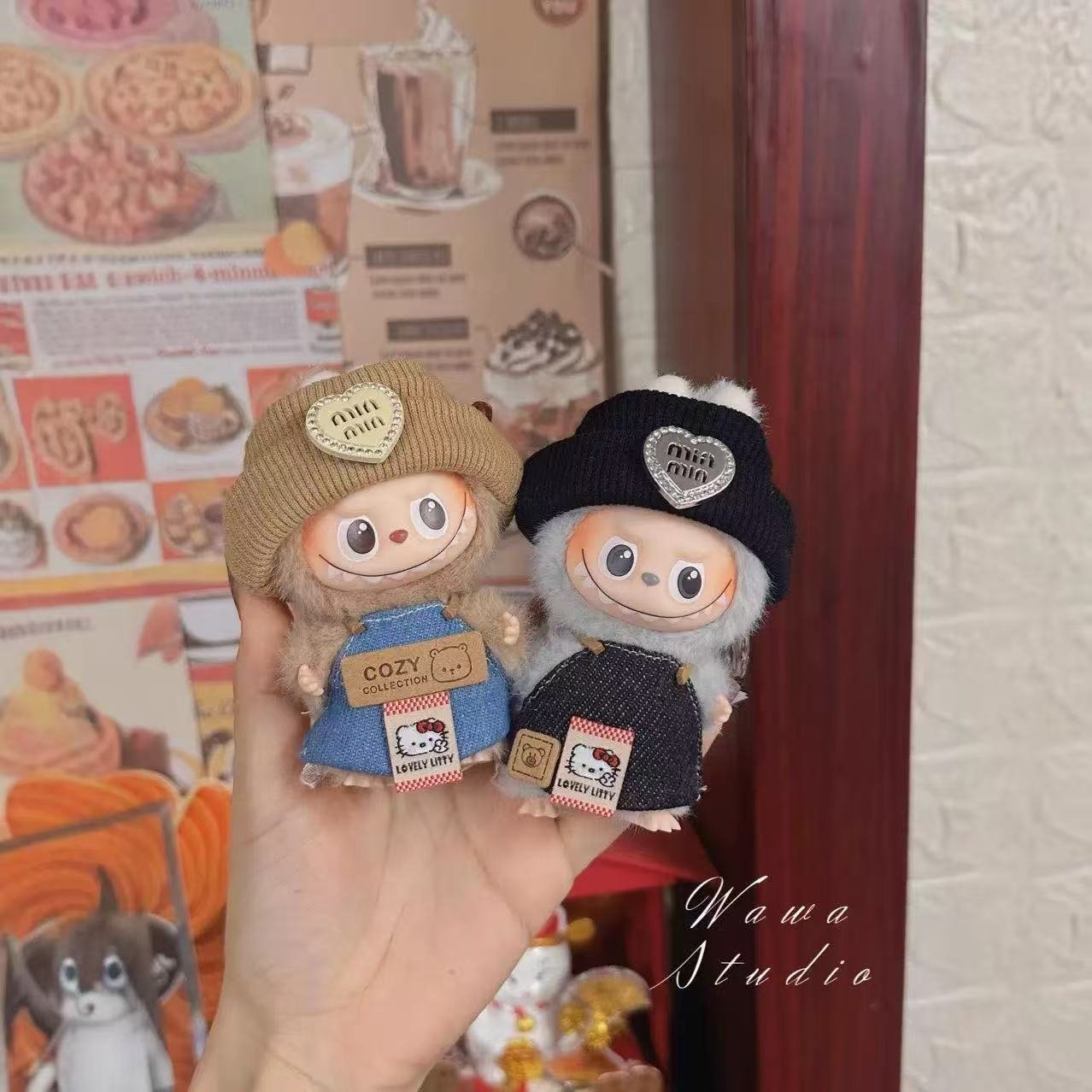
🌱 Labubu Doll Clothing & Eco-Friendly Fashion
Sustainable Practices in the Doll World
In an era where environmental consciousness is reshaping every industry, the world of collectible toys and doll fashion is experiencing its own green revolution. Labubu doll clothing has emerged as a fascinating case study in how sustainable practices can be seamlessly integrated into the miniature fashion world, proving that even the smallest garments can make a significant impact on our planet's future.
The intersection of sustainability and toy fashion represents more than just a trend—it's a fundamental shift in how we approach consumption, creativity, and care for our beloved collectibles. As Labubu dolls continue to capture hearts worldwide, the clothing and accessories that dress these charming characters are evolving to reflect our growing environmental awareness.
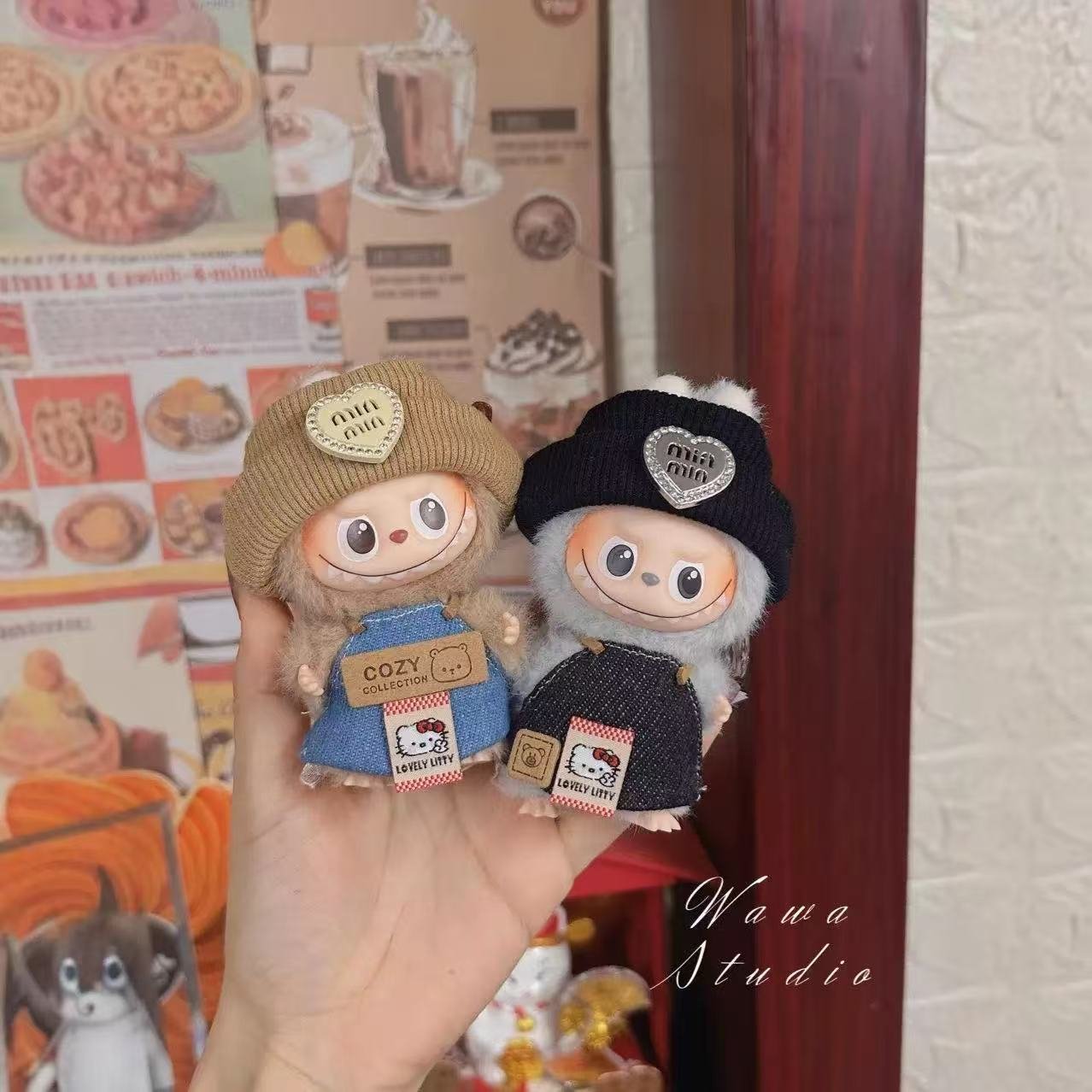
🌿 The Green Revolution in Miniature Fashion
The concept of sustainable fashion has traditionally focused on human-sized clothing, but the principles that guide eco-conscious design translate beautifully to the world of doll fashion. Labubu clothing designers and manufacturers are increasingly recognizing that sustainability isn't just about scale—it's about mindset, materials, and manufacturing processes that respect both the environment and the consumers who cherish these tiny treasures.
Sustainable doll fashion encompasses several key principles that mirror those found in full-scale sustainable clothing. These include the use of organic and recycled materials, ethical manufacturing processes, durability and longevity in design, minimal packaging and waste reduction, and support for local artisans and small-scale producers. Each of these elements contributes to a more responsible approach to creating clothing for our beloved Labubu companions.
Understanding Sustainable Materials in Doll Fashion
The foundation of any sustainable clothing line lies in the materials chosen for production. In the realm of Labubu doll clothing, designers are exploring innovative fabric options that minimize environmental impact while maintaining the quality and aesthetic appeal that collectors demand. Organic cotton, for instance, has become increasingly popular for creating soft, breathable garments that are free from harmful pesticides and chemicals.
Recycled fabrics represent another exciting frontier in sustainable doll fashion. By repurposing materials from post-consumer waste or textile industry scraps, designers can create unique, eco-friendly pieces that tell a story of transformation and renewal. These materials often possess interesting textures and patterns that add character to Labubu outfits while reducing the demand for virgin resources.
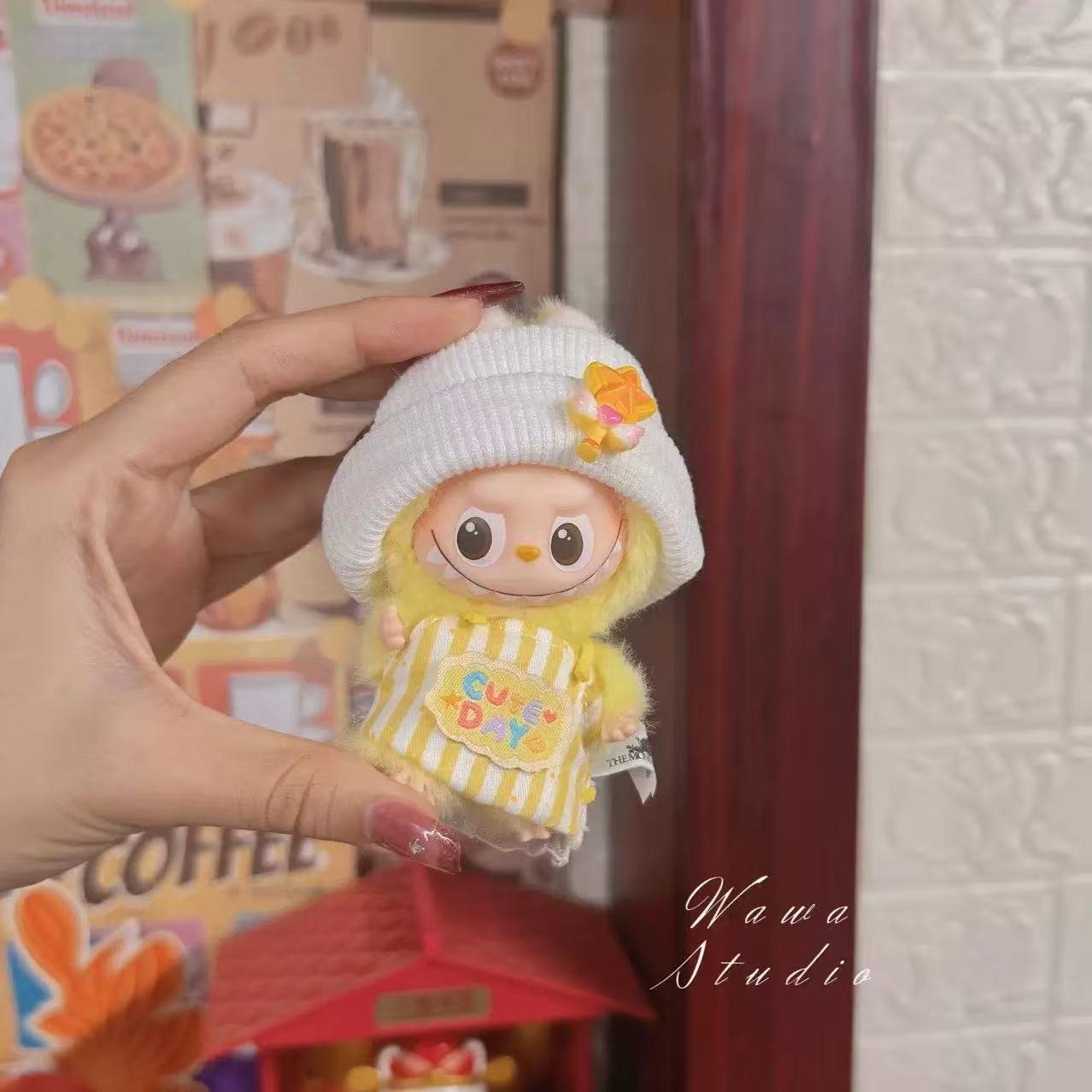
💚 Eco-Friendly Material Spotlight
Hemp fabric is gaining recognition as an exceptional choice for doll clothing due to its durability, natural antimicrobial properties, and minimal water requirements during cultivation. When used in Labubu clothing, hemp creates garments that can withstand frequent handling while maintaining their shape and color over time.
🎨 Design Philosophy: Beauty Meets Responsibility
Sustainable Labubu clothing design goes beyond material selection to encompass a holistic approach to creation that considers the entire lifecycle of each garment. This philosophy emphasizes timeless design over fast fashion trends, ensuring that each piece remains relevant and cherished for years to come. The focus shifts from quantity to quality, encouraging collectors to invest in fewer, better-made pieces that will stand the test of time.
The design process itself becomes an exercise in creativity within constraints. Designers working with sustainable materials must consider factors such as colorfastness, durability, and care requirements while still creating visually appealing and functionally appropriate clothing for Labubu dolls. This challenge often leads to innovative solutions and unique design elements that set sustainable pieces apart from conventional alternatives.
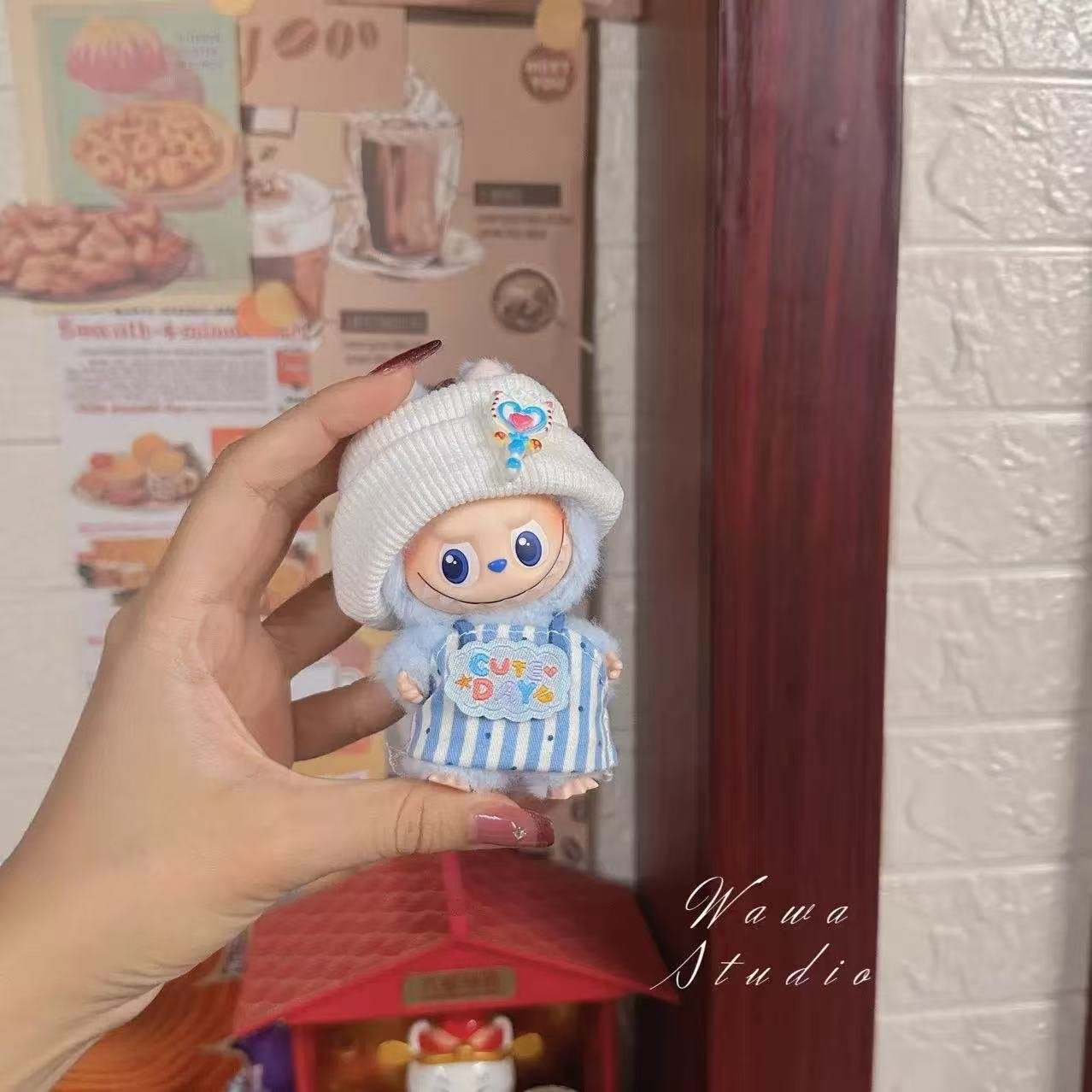
The Art of Slow Fashion in Doll Clothing
The slow fashion movement has found a natural home in the world of doll clothing, where the smaller scale allows for greater attention to detail and craftsmanship. Labubu clothing created under slow fashion principles emphasizes quality construction techniques, thoughtful design elements, and the use of traditional crafting methods that have been passed down through generations.
This approach to doll fashion creation often involves hand-sewing techniques, natural dyeing processes, and small-batch production runs that ensure each piece receives individual attention. The result is clothing that not only looks beautiful but also carries the story of its creation, connecting collectors to the artisans and processes that brought their Labubu's wardrobe to life.
🌍 Environmental Impact and Conscious Consumption
While individual pieces of Labubu doll clothing may seem insignificant in terms of environmental impact, the collective effect of sustainable practices in the toy and collectible industry can be substantial. By choosing eco-friendly options, collectors become part of a larger movement that supports responsible manufacturing, reduces waste, and promotes environmental stewardship.
The environmental benefits of sustainable doll clothing extend beyond the immediate impact of material choices. Sustainable production methods often require less water, energy, and chemical inputs compared to conventional manufacturing processes. Additionally, the emphasis on durability and timeless design reduces the frequency of replacement purchases, ultimately decreasing the overall environmental footprint of a collector's wardrobe choices.
🌊 Water Conservation in Textile Production
Traditional textile dyeing processes can consume enormous amounts of water and release harmful chemicals into waterways. Sustainable Labubu clothing manufacturers are increasingly adopting low-impact dyeing techniques and natural colorants that significantly reduce water usage and eliminate toxic runoff.
The Circular Economy in Miniature
The concept of a circular economy, where materials are continuously reused and recycled rather than disposed of, applies beautifully to the world of doll fashion. Labubu clothing designed with circularity in mind considers the end-of-life options for each garment, incorporating features that facilitate recycling, upcycling, or biodegradation when the clothing has reached the end of its useful life.
Some innovative designers are creating modular clothing systems where individual components can be mixed, matched, and recombined to create new looks, extending the lifespan and versatility of each piece. This approach not only reduces waste but also enhances the play value and creative potential of Labubu clothing collections.
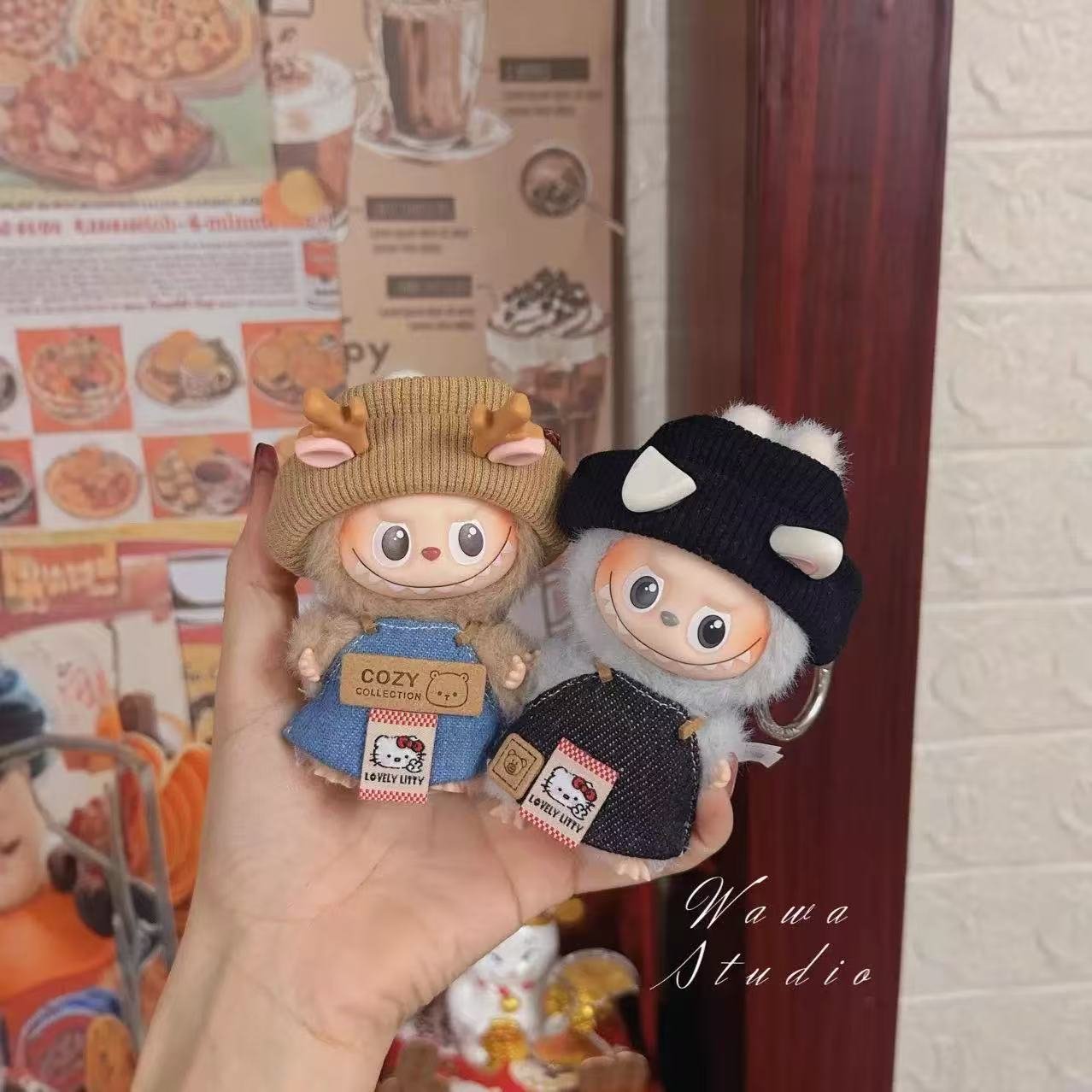
🛍️ Making Sustainable Choices: A Collector's Guide
For collectors interested in building a sustainable wardrobe for their Labubu dolls, understanding how to identify and evaluate eco-friendly options is essential. Labubu clothing that meets sustainability criteria often comes with certifications or detailed information about materials and manufacturing processes, allowing informed decision-making.
When shopping for sustainable doll clothing, collectors should look for transparency in material sourcing, information about manufacturing processes, certifications from recognized environmental organizations, evidence of fair labor practices, and packaging that minimizes waste and uses recyclable materials. These indicators help ensure that purchases align with environmental and ethical values.
Supporting Sustainable Brands and Artisans
The sustainable Labubu clothing market includes both established brands that have adopted eco-friendly practices and independent artisans who specialize in handcrafted, environmentally conscious pieces. Supporting these creators not only helps build a more sustainable industry but also often results in unique, high-quality pieces that stand out in any collection.
Many sustainable doll clothing creators offer customization options, allowing collectors to request specific colors, styles, or modifications that perfectly suit their Labubu's personality and their own aesthetic preferences. This personalized approach creates a deeper connection between collector and clothing while ensuring that each piece is truly wanted and valued.
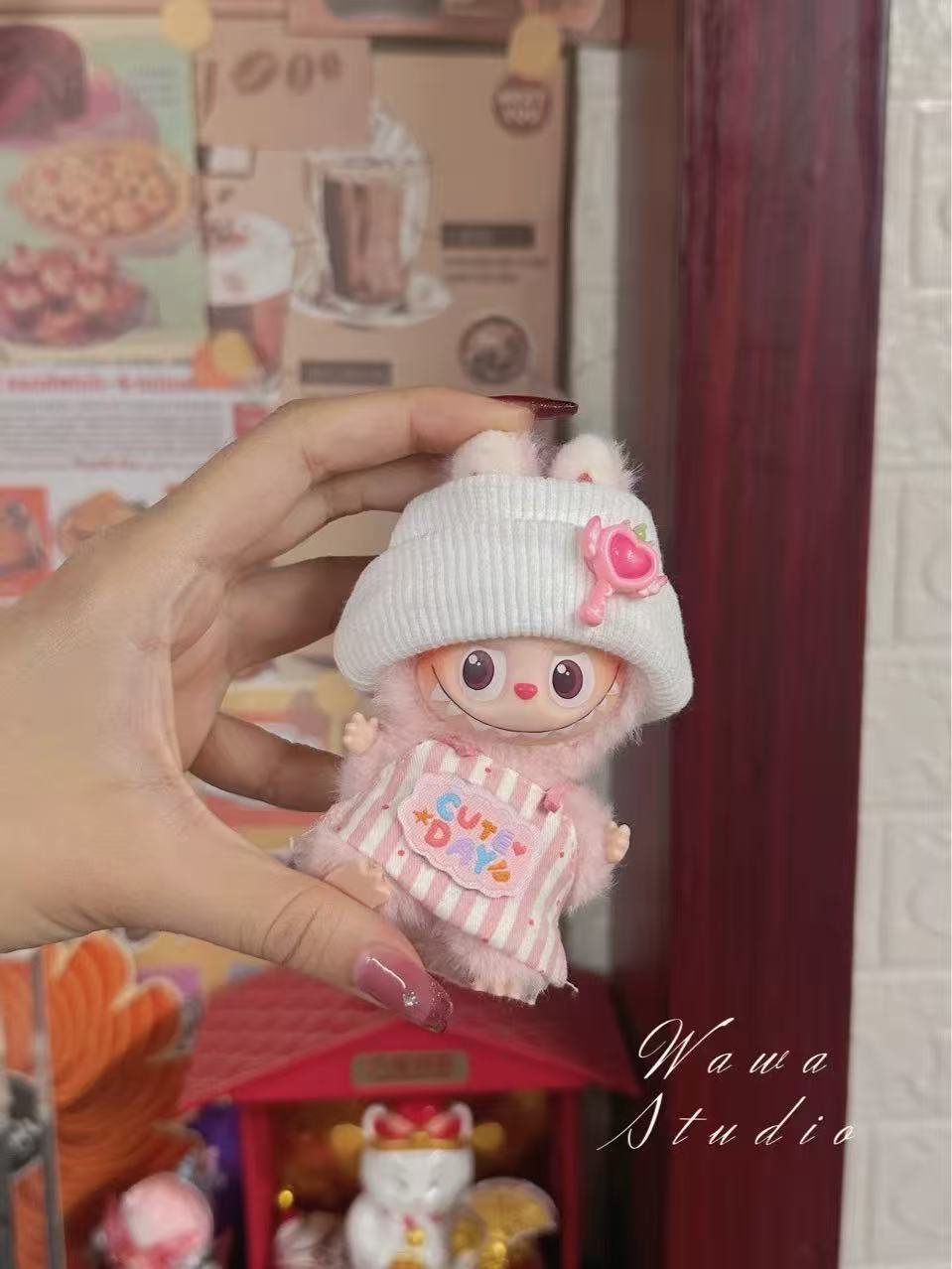
🎉 Discover Sustainable Labubu Fashion at NekoLulu!
Ready to build an eco-friendly wardrobe for your beloved Labubu? Explore our curated collection of sustainable clothing and accessories, featuring organic materials, ethical production, and timeless designs that your Labubu will love!
Use code SAVE10 for 10% off your first order!
✨ Stack with quantity discounts: 1 item (10% OFF) • 2 items (12% OFF) • 3+ items (15% OFF)
Shop Sustainable Fashion →🔮 The Future of Sustainable Doll Fashion
As environmental awareness continues to grow and technology advances, the future of sustainable Labubu clothing looks increasingly bright. Innovations in bio-based materials, zero-waste manufacturing techniques, and circular design principles are opening new possibilities for creating beautiful, responsible doll fashion that exceeds current sustainability standards.
The integration of technology with traditional crafting methods is also creating exciting opportunities for sustainable doll fashion. Digital design tools allow for precise pattern creation that minimizes fabric waste, while online platforms connect collectors with sustainable brands and artisans from around the world, fostering a global community committed to responsible consumption.
Innovation and Tradition in Harmony
The most promising developments in sustainable doll fashion often combine cutting-edge innovation with time-tested traditional techniques. Labubu clothing creators are exploring new materials derived from agricultural waste, experimenting with natural dyeing techniques that produce vibrant, long-lasting colors, and developing production methods that honor both environmental responsibility and artisanal craftsmanship.
This harmonious blend of old and new creates clothing that is not only environmentally responsible but also rich in character and story. Each piece becomes a testament to human creativity and our ability to find beautiful, sustainable solutions to the challenges of modern consumption.